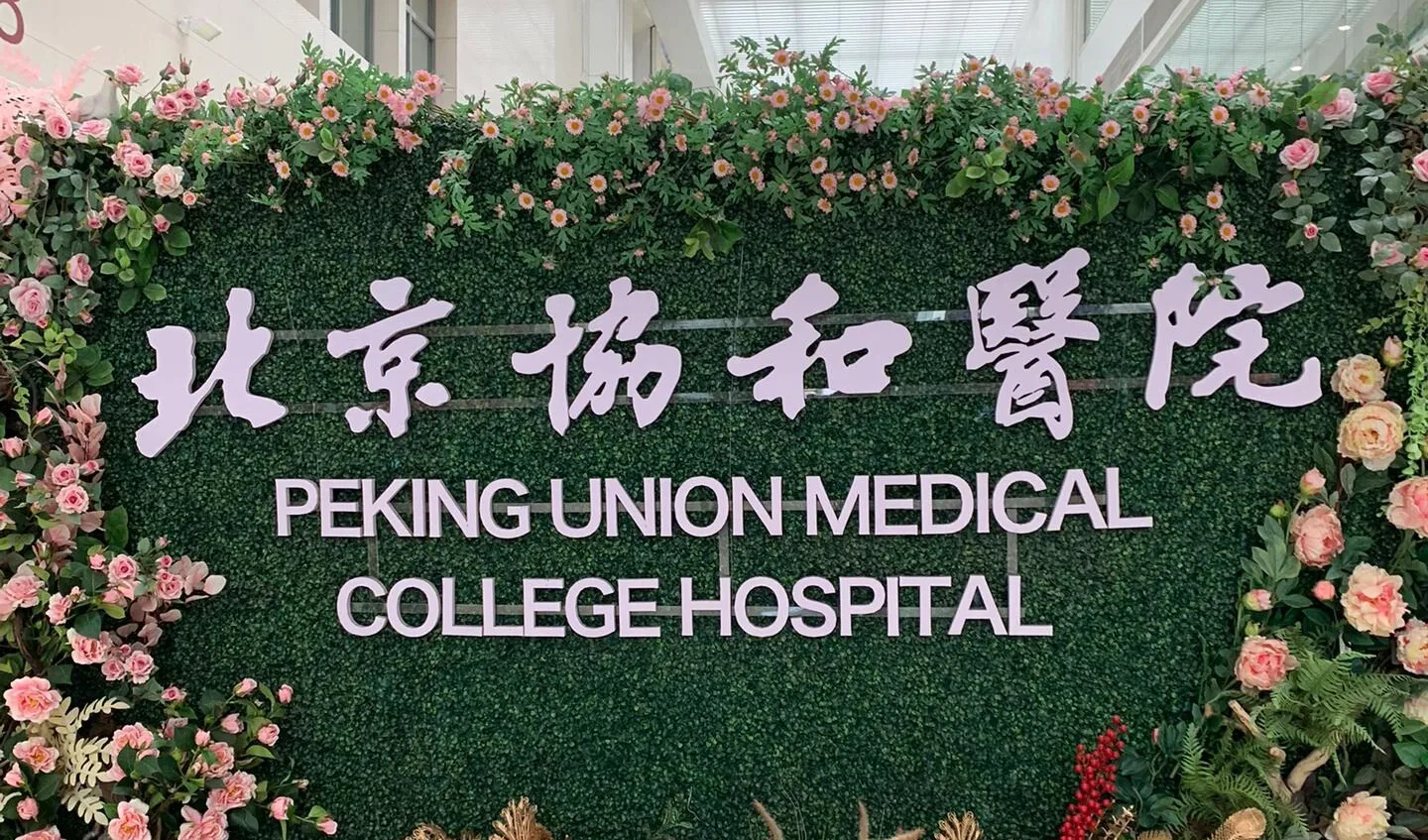
38 years, 600K fertility visits and 17.5K IVF cycles a year: inside China’s No.1 reproductive medicine unit
Home of mainland China’s first IVF baby (1988): 600K fertility visits, 17.5K IVF cycles a year, and PGT for 200+ single-gene diseases.
Practical guides and original English summaries of selected hospital innovations, clinical research, specialty profiles and healthcare developments in China — including plain-English visa and entry guidance for international patients. Each resource links to its source and the related hospital, health area or practical topic. These materials provide context; they are not medical advice.

Home of mainland China’s first IVF baby (1988): 600K fertility visits, 17.5K IVF cycles a year, and PGT for 200+ single-gene diseases.
A guidewire-assisted forceps that samples the far side of a narrowed bile duct, reaching tumours conventional tools miss.

A B7-H3 drug conjugate nearly doubled survival over chemo in relapsed small cell lung cancer, a world-first phase 3.

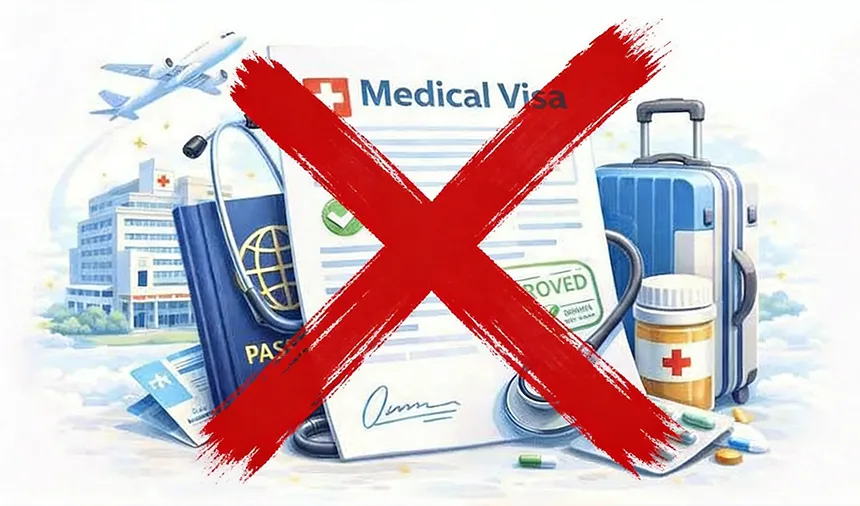
There is no Chinese “medical visa” and there never has been. Treatment stays run on the S1/S2 private-affairs visas — explained in plain English.

A chemo-free EGFR drug plus radiotherapy kept stage III lung cancer stable 4.6 times longer in a small phase 3.

A rare back-side fracture of the lower humerus, defined across 13 patients at China's leading elbow centre.

China’s No.1 eye hospital: 1.1M outpatient visits and 78K eye operations a year, plus the country’s only WHO eye centre.

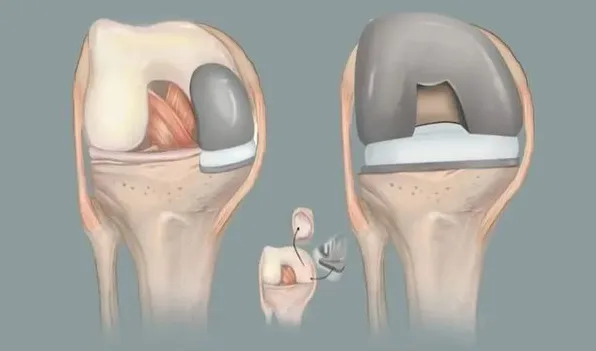
Mild bone bruises on both sides of the knee did not worsen 6-year results after partial knee replacement.

10 days, no visa: how the 240-hour transit window fits a scan, a second opinion, or a full health check — for 57 nationalities including the US.

A 3D-bioprinted model of prostate cancer in bone, used to study why tumours resist drugs.

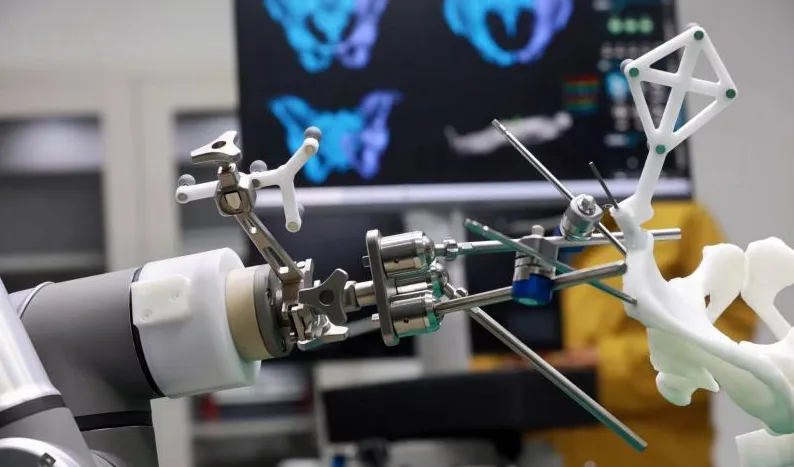
5G remote surgery across 2,000 km, 20,000 robotic procedures to date, and sub-millimetre screw placement.

Which visa for treatment in China? Often none: 30 days visa-free for 50 countries, a 240-hour transit window for 57, and S1/S2 when treatment dominates.

China’s No.1 endocrinology unit: 1,000 aldosteronism cases and a national metabolic centre, in Shanghai since the 1950s.

Three years of icotinib after lung cancer surgery nearly halved recurrences; follow-up reached six and a half years.

39 centres, 1,000 patients: rivaroxaban halved migraine days most often in people with a heart “leak”.

4 years as China’s No.1 gastroenterology unit: 700K visits, 260K endoscopies a year, plus China’s only globally accepted H. pylori regimen.

China’s No.1 anaesthesiology unit, 13 years running: 83K anaesthetics a year, mortality below 1 in a million.

Asia’s first registered trial of an AI model for lung nodules, and how it raised junior radiologists’ accuracy.

China's No.1 neurosurgery unit: 23,000 operations a year, 0.2% mortality, 70 years of pioneering.

A national award for Fuwai’s end-stage heart failure surgery, built around a magnetically levitated artificial heart.

China's national heart hospital: 21,500 cardiac operations a year, 1,500+ transplants, 96% survival since 2004.

A randomised trial in 76 elderly patients: no less rest pain at 48 hours, but better movement pain and sleep.

Host of the National Medical Center for Infectious Diseases: 71 years, 70% of cases are referrals from across China.

China’s No.1 dental hospital, 13 years running: 1M outpatient visits a year, one of two national centres for stomatology.

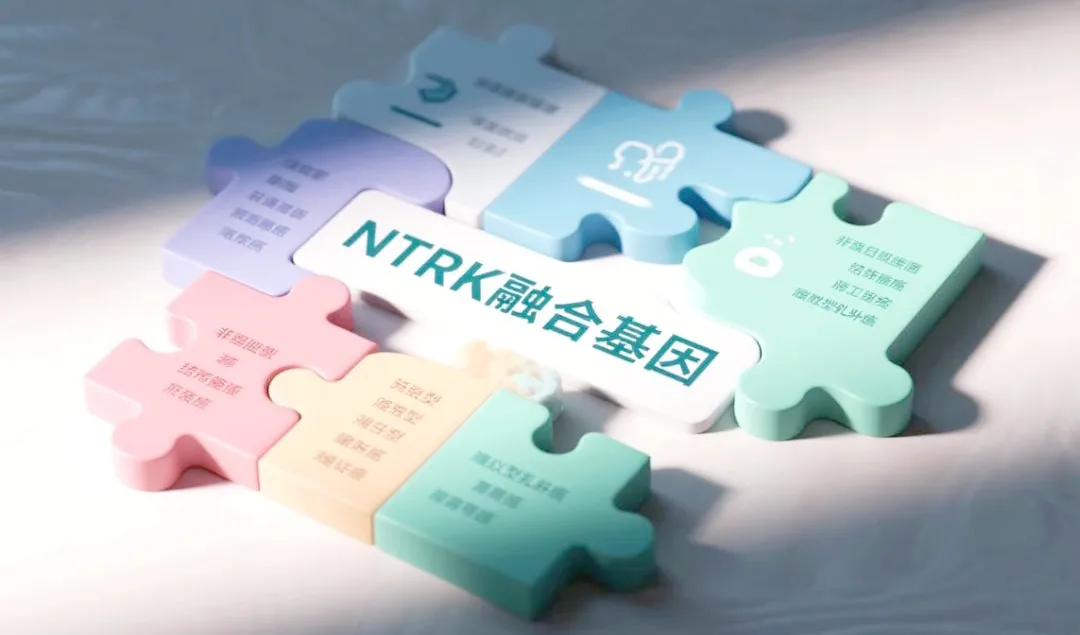
China approves its own NTRK inhibitor for tumours of any origin; in trials it shrank 69% of first-treated tumours.

A Chinese three-drug immunotherapy sequence prolonged remission in first-line lung cancer, a late-breaker at ASCO.

Asia’s first 10K robotic urology cases: 330K visits and 10K operations a year, and the world’s first remote robot surgery.

A patented fixator that moves the elbow's external frame inside the body; two case reports show regained movement.

China’s No.1 oncology hospital: 1M cancer visits, 30K operations and 200K pathology reports a year, in 1 place since 1958.

Ablation and left atrial appendage closure in one session — plus a magnetic fluid that prints a seal inside the heart.

China’s No.1 respiratory unit, 15 straight years: 15 subspecialties from COPD to lung cancer, led by Zhong Nanshan since 1979.

AAV gene therapy restored useful hearing in most children with OTOF-related deafness, tracked for 2.5 years.

China approves its first home-grown Class 1 radiopharmaceutical, used to assess lymph node spread in lung cancer.

In Nature: a magnetic fluid that fills the left atrial appendage and sets in place, so far tested only in animals.

China’s No.1 plastic surgery unit: 250K outpatient visits and 64K reconstructive operations a year, in 1 place since 1961.

A deep learning system that forecasts vision after anti-VEGF injections, built on data from 18 hospitals.